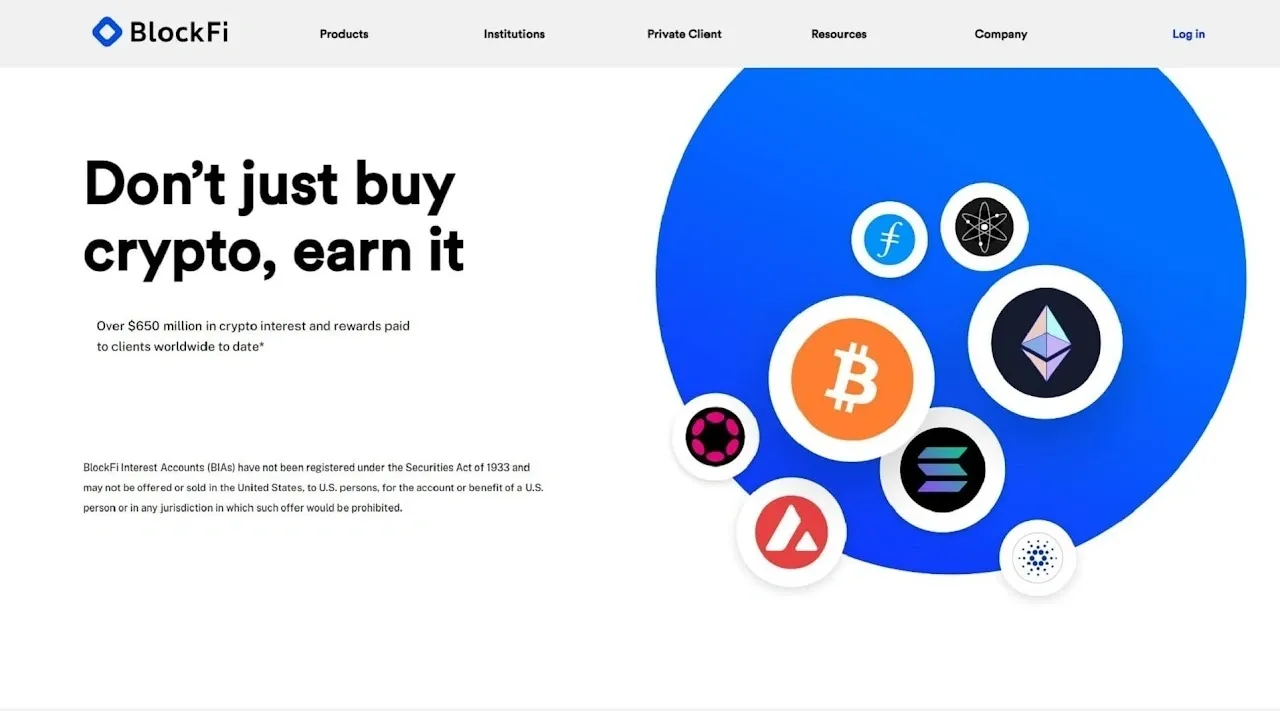
BlockFi Login – A Complete Guide to Account Access, Security, and User Awareness
BlockFi Login refers to the process of accessing a BlockFi user account to view balances, account information, and any available features or notices related to the platform. BlockFi was once a well-known cryptocurrency financial services company offering interest-bearing accounts, crypto-backed loans, and trading services. Over time, changes in the crypto industry and regulatory environment significantly affected the platform.
This comprehensive guide explains what BlockFi login means, how account access historically worked, security best practices, common login issues, and important considerations for users who previously held BlockFi accounts. The goal of this content is to provide clear, neutral, and informative guidance for users seeking to understand BlockFi login-related topics.
What Is BlockFi Login?
BlockFi login is the authentication process that allowed users to access their BlockFi accounts through the official website or mobile application. By logging in, users could historically:
View account balances
Track transaction history
Manage interest accounts and wallets
Review statements and account activity
Access platform notifications and updates
BlockFi login required secure credentials, including an email address, password, and additional security verification measures such as two-factor authentication (2FA).
Understanding BlockFi as a Platform
BlockFi was a centralized crypto financial services platform that aimed to bridge traditional finance and digital assets. Its services historically included:
Crypto interest accounts
Cryptocurrency trading
Crypto-backed lending products
Custodial wallets for supported assets
Because BlockFi operated as a custodial platform, users did not control their private keys. Instead, assets were held by BlockFi on behalf of users, making secure login and account protection critically important.
How BlockFi Login Worked
When the platform was operational, the BlockFi login process followed standard security practices for centralized financial services.
Step 1: Visit the Official BlockFi Website
Users accessed their accounts by navigating to the official BlockFi website or opening the BlockFi mobile app. Using only the official website was essential to avoid phishing attempts.
Step 2: Enter Login Credentials
Users logged in by entering:
Registered email address
Account password
Passwords were required to meet minimum complexity standards to enhance security.
Step 3: Two-Factor Authentication (2FA)
BlockFi supported two-factor authentication, typically using:
Authenticator apps
SMS-based verification (depending on user settings)
This extra layer of security helped protect accounts from unauthorized access.
Step 4: Account Dashboard Access
After successful authentication, users were directed to their account dashboard, where they could view balances, transaction history, and account updates.
Importance of Security for BlockFi Login
Because BlockFi was a custodial platform, account security depended heavily on login protection. Unlike non-custodial wallets, access to the account determined access to funds.
Key security considerations included:
Strong, unique passwords
Two-factor authentication
Secure email accounts
Awareness of phishing attempts
A compromised login could result in unauthorized access, making security awareness essential.
Two-Factor Authentication and Login Protection
BlockFi encouraged users to enable two-factor authentication to strengthen account security. Benefits of 2FA included:
Protection even if a password was compromised
Reduced risk of unauthorized account access
Increased overall account safety
Authenticator-based 2FA was generally considered more secure than SMS-based verification.
Common BlockFi Login Issues
Users sometimes encountered issues when attempting to log in. Common problems included:
1. Forgotten Password
Users could reset their password by selecting the “Forgot Password” option and following email-based verification steps.
2. Two-Factor Authentication Problems
Issues could arise if:
The authenticator app was removed
A mobile device was changed
Time synchronization errors occurred
Recovery typically required identity verification through BlockFi support.
3. Account Lockouts
Multiple failed login attempts could trigger temporary account lockouts as a security measure.
4. Browser or App Issues
Clearing cache, updating the app, or switching browsers often resolved login-related technical problems.
Recognizing Phishing and Fake Login Pages
Phishing attacks were a major risk for BlockFi users. These attacks attempted to trick users into entering login credentials on fake websites.
Red flags included:
Emails urging immediate action
Suspicious URLs that looked similar to BlockFi’s domain
Requests for passwords or 2FA codes
Messages claiming account suspension or forced withdrawals
Best practices included bookmarking the official site and never clicking login links from unsolicited emails.
BlockFi Login and Account Notifications
Once logged in, users could view important account-related notifications, such as:
Platform updates
Policy changes
Account statements
Regulatory or operational notices
Regularly reviewing notifications helped users stay informed about their account status and platform developments.
Custodial Accounts vs Non-Custodial Wallets
Understanding the difference between BlockFi login and non-custodial wallet access is important.
BlockFi (Custodial):
Platform controlled private keys
Login credentials granted account access
Users relied on the company’s security practices
Non-Custodial Wallets:
Users control private keys
No centralized login system
Recovery phrases replace usernames and passwords
This distinction highlights why login security was especially critical for BlockFi users.
Best Practices for Account Security
For users who previously had BlockFi accounts, the following practices were strongly recommended:
Use a unique password not shared with other platforms
Enable two-factor authentication
Secure the email address associated with the account
Avoid public Wi-Fi when logging in
Monitor account activity regularly
These practices reduced the risk of unauthorized access.
Account Access During Platform Changes
Over time, BlockFi’s operations changed due to market and regulatory conditions. During such periods, login access may have been limited to:
Viewing account information
Accessing statements or notices
Following instructions related to account status
Users were encouraged to rely only on official communications when attempting to log in or retrieve account information.
Privacy and Data Protection
BlockFi stated that it implemented industry-standard measures to protect user data, including:
Encrypted connections
Secure authentication processes
Internal access controls
Even so, users were advised to take personal responsibility for account security by safeguarding login credentials and devices.
BlockFi Login on Desktop vs Mobile
Historically, BlockFi offered login access via:
Web browsers on desktop devices
Mobile applications for supported platforms
Both options used similar authentication processes, though mobile apps often included additional protections such as biometric authentication.
User Responsibility and Awareness
Using a centralized platform like BlockFi required users to remain vigilant. Login access meant trusting the platform with asset custody, making awareness of platform updates, security notices, and policy changes essential.
Users were advised to:
Stay informed through official announcements
Avoid misinformation from unofficial sources
Understand the risks associated with custodial crypto platforms
Alternatives and Lessons Learned
The evolution of platforms like BlockFi led many users to explore alternatives, including:
Hardware wallets
Non-custodial software wallets
Decentralized finance (DeFi) protocols
These options often remove the need for traditional logins, shifting responsibility directly to users through private key management.
Key Takeaways About BlockFi Login
BlockFi login was the primary method for accessing custodial crypto accounts
Security depended on strong passwords and two-factor authentication
Phishing awareness was critical
Account access and features evolved over time
Understanding custodial risk is essential in crypto
Conclusion
BlockFi login represented a traditional account-based access model within the cryptocurrency ecosystem. By using an email, password, and two-factor authentication, users could access their accounts, view balances, and manage their assets while the platform was operational.
This guide highlights the importance of login security, user awareness, and understanding the differences between custodial platforms and non-custodial alternatives. Whether reviewing past account access or learning broader lessons about crypto security, the BlockFi login experience underscores a critical principle in digital finance: security, transparency, and informed decision-making are essential.