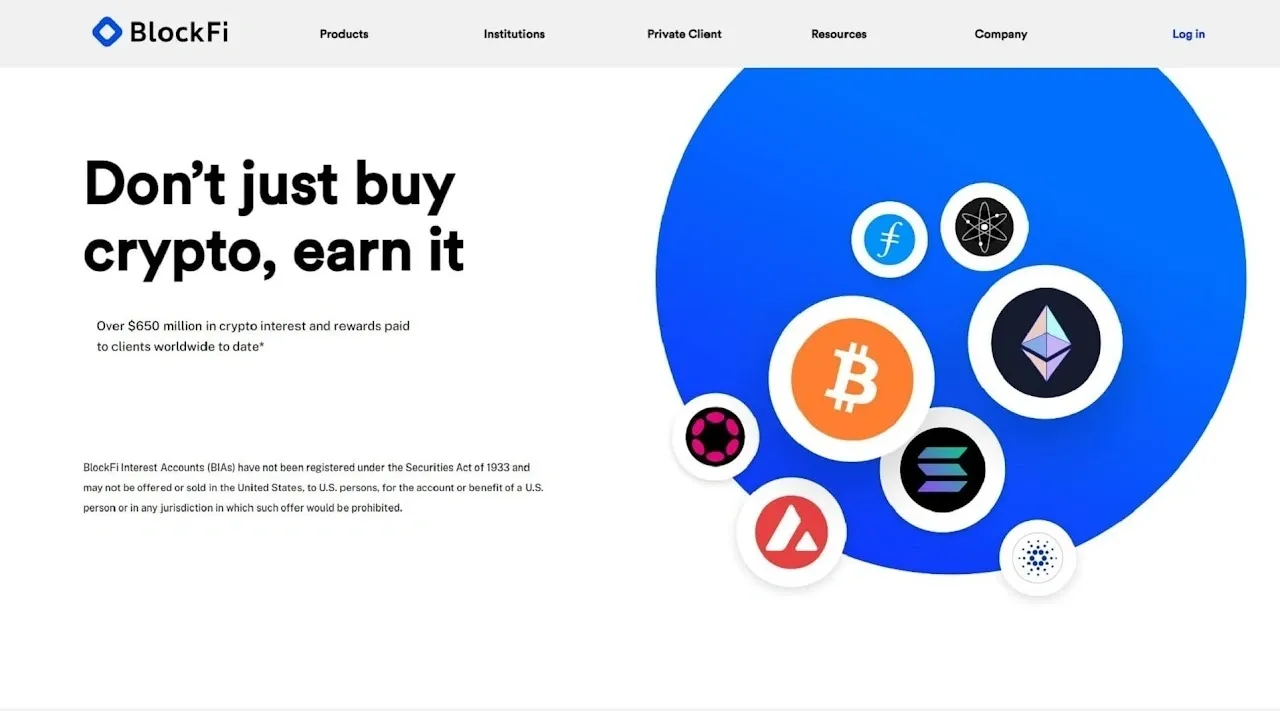
BlockFi Login — Accessing Your BlockFi Account, Security, and What Users Need to Know
BlockFi Login refers to the process of accessing a BlockFi account to review account information, transaction history, statements, and any remaining actions available to former customers. BlockFi was once a prominent cryptocurrency lending and interest platform, but its operations were halted following financial and regulatory challenges. As a result, BlockFi no longer operates as an active crypto service in the traditional sense.
This guide is informational and educational, designed to help users understand what “BlockFi login” means today, how account access has historically worked, what users can typically see after logging in, important security considerations, and what to watch out for regarding scams and impersonation attempts. This content is approximately 1,500 words and is intended to provide clarity rather than promote any financial product.
Understanding BlockFi and the Meaning of “BlockFi Login”
BlockFi was a centralized cryptocurrency platform that offered services such as:
Crypto interest accounts
Crypto-backed loans
Trading services
Custodial wallet accounts
When users refer to BlockFi login, they are generally looking for a way to:
Access their former BlockFi account
Review balances or historical data
Download statements or tax documents
Follow instructions related to account resolution, claims, or withdrawals (where applicable)
Because BlockFi is no longer operating as an active platform, login access—when available—is typically limited to account management, record access, or administrative purposes rather than day-to-day trading or earning interest.
How BlockFi Login Traditionally Worked
Before operations were halted, BlockFi login followed a standard centralized-platform process. Understanding this process can help users recognize legitimate access methods and avoid scams.
Standard Login Steps (Historically)
Visit the official BlockFi website
Click “Log In”
Enter your registered email address
Enter your password
Complete two-factor authentication (2FA), if enabled
Once logged in, users could access dashboards showing balances, transactions, interest earnings, and account settings.
Today, if login access is provided, it is typically read-only or limited, depending on the user’s situation and the platform’s current status.
Two-Factor Authentication and Account Security
BlockFi historically supported two-factor authentication (2FA) using authenticator apps or SMS-based verification. This was a critical layer of security to protect user accounts from unauthorized access.
If you are able to access a BlockFi login portal:
Always ensure 2FA is enabled
Never reuse old passwords from other platforms
Avoid logging in on public or shared devices
Security remains essential even when an account is inactive, as personal and financial data may still be present.
What Users Can Typically Access After Logging In
When BlockFi login access is available, users may be able to view:
Account profile information
Historical balances
Transaction history
Statements and activity reports
Tax documents (such as transaction summaries)
Notifications or messages related to account status
In most cases, new transactions, trading, lending, or interest-earning features are not available. The login experience is informational rather than functional.
BlockFi Login and Account Recovery
Some users search for BlockFi login because they:
Forgot their password
Lost access to their email
Need historical records for tax or legal purposes
Password Reset (If Available)
Historically, password recovery involved:
Entering the registered email address
Receiving a password reset link
Verifying identity through email or 2FA
If password reset options are unavailable, users are generally directed to official support or administrator communications.
Important Warnings About Fake BlockFi Login Pages
Because BlockFi is no longer operating as a standard platform, scammers actively target former users. Fake login pages, phishing emails, and impersonation attempts are common.
Common Scam Tactics
Emails claiming “urgent withdrawal required”
Fake websites mimicking BlockFi’s branding
Messages asking for passwords or recovery phrases
Social media accounts pretending to be BlockFi support
How to Stay Safe
Never enter your password on unofficial websites
Do not click login links from unsolicited emails
BlockFi (or any legitimate company) will never ask for your password or 2FA codes
Verify website URLs carefully before entering credentials
If in doubt, do not log in and seek information through official court-appointed administrators or verified communications.
BlockFi Login vs. Non-Custodial Wallets
One of the key lessons from centralized platforms like BlockFi is the difference between custodial and non-custodial crypto storage.
Custodial Platforms (Like BlockFi)
The platform controls private keys
Users rely on the company’s solvency and security
Access depends on the platform’s operational status
Non-Custodial Wallets
Users control their private keys
Assets are not dependent on a company’s survival
Access is guaranteed as long as recovery phrases are secure
Many former BlockFi users now choose hardware wallets or self-custody solutions to reduce counterparty risk in the future.
Why People Still Search for “BlockFi Login”
Despite the platform’s shutdown, the term “BlockFi login” remains widely searched because users may need to:
Access historical financial data
Monitor claim-related updates
Download tax or transaction records
Confirm account details
Understand what happened to their funds
This makes educational content about BlockFi login highly relevant, even after active services have ended.
Best Practices If You Access a BlockFi Login Portal
If legitimate login access is available to you:
Use a secure, private device
Ensure your internet connection is trusted
Enable all available security features
Download any necessary documents promptly
Log out after each session
Do not store passwords in browsers
Treat your login session as sensitive, even if the account is no longer active.
Data Privacy and Personal Information
BlockFi accounts historically contained sensitive information, including:
Email addresses
Transaction records
Linked bank details
Identity verification data
Protecting this information remains critical. If you believe your data has been exposed or compromised, consider:
Updating passwords on other platforms
Monitoring for phishing attempts
Using credit or identity monitoring services
Lessons Learned from Centralized Platform Logins
The BlockFi experience has influenced how many users approach crypto security today. Key takeaways include:
“Not your keys, not your crypto” is a critical principle
Centralized logins introduce counterparty risk
Transparency and self-custody are increasingly valued
Hardware wallets reduce reliance on platform logins
Understanding these lessons can help users make more informed decisions going forward.
Frequently Asked Questions About BlockFi Login
Is BlockFi still operational?
BlockFi no longer operates as a traditional crypto platform. Any login access is typically limited to account records or administrative purposes.
Can I trade or earn interest after logging in?
No. Trading, lending, and interest services are not active.
Is it safe to log in?
Only if the login page is confirmed to be legitimate. Be extremely cautious of phishing attempts.
Will BlockFi ever reopen fully?
There is no indication that BlockFi will resume normal operations. Users should rely only on official communications.
Final Thoughts on BlockFi Login
BlockFi Login today is best understood as a way to access historical account information and important records, not as a gateway to active crypto services. While BlockFi once played a significant role in the crypto ecosystem, its shutdown highlights the importance of security, transparency, and self-custody.
If you search for BlockFi login, proceed with caution, verify sources carefully, and avoid sharing sensitive information. Use the experience as an opportunity to reassess how you manage digital assets and consider solutions that give you direct control over your crypto.
Staying informed, security-conscious, and skeptical of unsolicited messages is the best way to protect yourself in the evolving world of cryptocurrency.